


Description
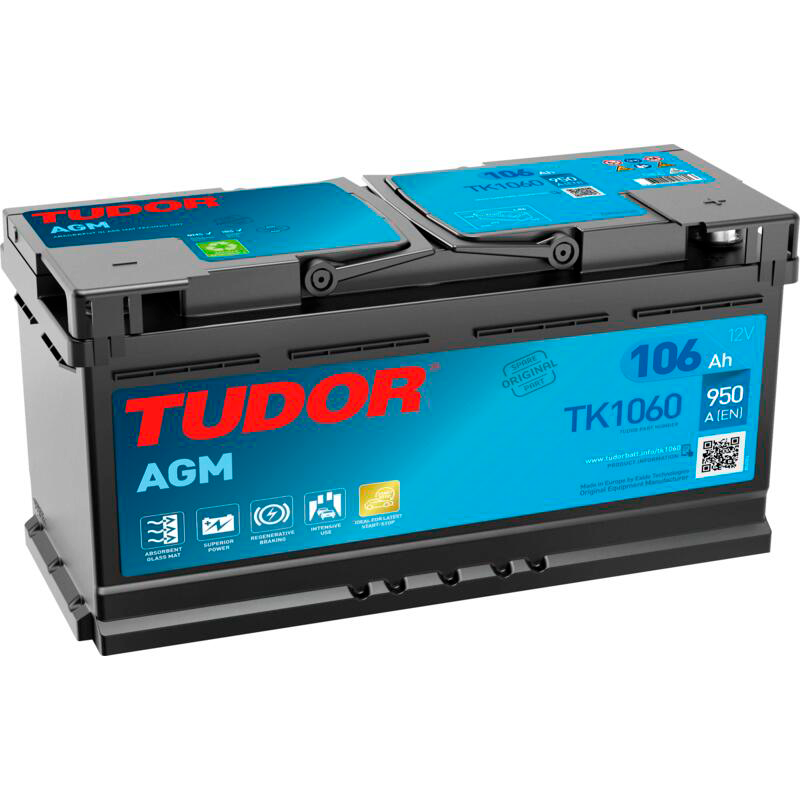
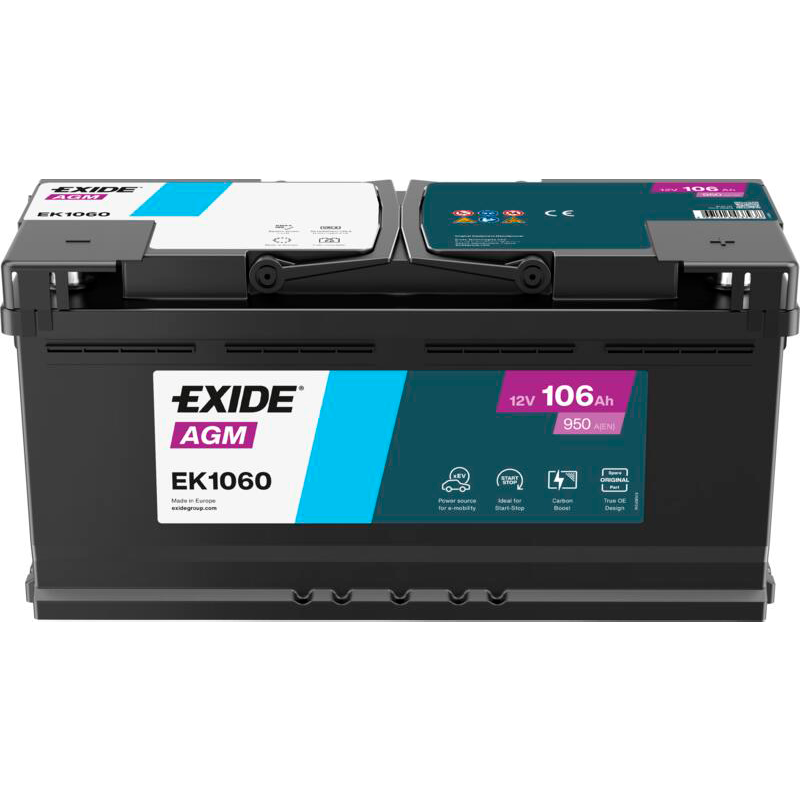
Exide / Tudor AGM Starting Battery – 12V 106Ah 950A
The Exide / Tudor 106Ah AGM Battery is a high-performance lead-acid starting battery designed for demanding engine starting applications where high starting current, substantial battery capacity and improved cycling durability are required.
Manufactured using AGM (Absorbent Glass Mat) technology, the battery combines a 106Ah capacity with a cold cranking current of 950A, providing dependable starting performance for compatible petrol and diesel engines.
Unlike conventional flooded lead-acid batteries, AGM batteries contain electrolyte absorbed within glass fibre mats positioned between the battery plates. This construction provides low internal resistance, efficient current delivery and improved cycling durability.
This battery offers a premium alternative to conventional flooded starting batteries where AGM technology is compatible with the installation and charging system.
Exide and Tudor Brand Availability
This battery is supplied under one of two equivalent brand references:
- Exide EK1060
- Tudor TK1060
Both brands belong to the Exide Technologies group, and these models offer equivalent electrical specifications, battery technology and installation dimensions.
Either the Exide or Tudor version will be supplied depending on stock availability. Brand selection is not available. The external branding and label may differ from the product images shown.
The advertised price is for one battery.
Key Features
- 106Ah capacity: Suitable for compatible engines and demanding electrical systems requiring substantial battery capacity.
- 950A cold cranking current: Delivers high current for demanding engine starting applications.
- AGM technology: Electrolyte is absorbed within glass fibre mats rather than remaining freely flowing inside the battery.
- Improved cycling durability: AGM technology generally offers greater resistance to repeated charging and discharging than conventional flooded starting batteries.
- Low internal resistance: Supports efficient delivery of high starting currents.
- Reduced electrolyte leakage risk: Absorbed electrolyte reduces the risk of leakage compared with conventional flooded batteries.
- L06 battery case: Suitable for installations requiring this battery format.
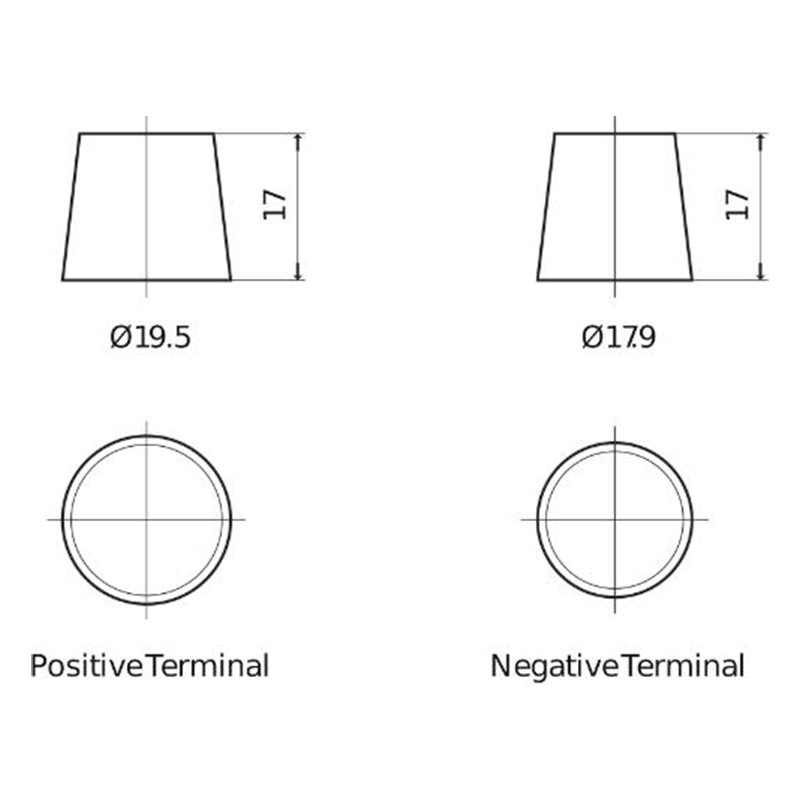
- EN tapered terminals: Standard automotive-style battery terminal connections.
- B13 hold-down: Base mounting arrangement for compatible battery trays.
Technical Specifications
| Specification | Details |
|---|---|
| Brand | Exide or Tudor |
| Model | EK1060 or TK1060 |
| Range | AGM |
| Battery technology | AGM lead-acid |
| Battery type | Starting |
| Nominal voltage | 12V |
| Capacity | 106Ah |
| Cold cranking current (CCA) | 950A |
| Length | 392mm |
| Width | 175mm |
| Height | 190mm |
| Case size | L06 |
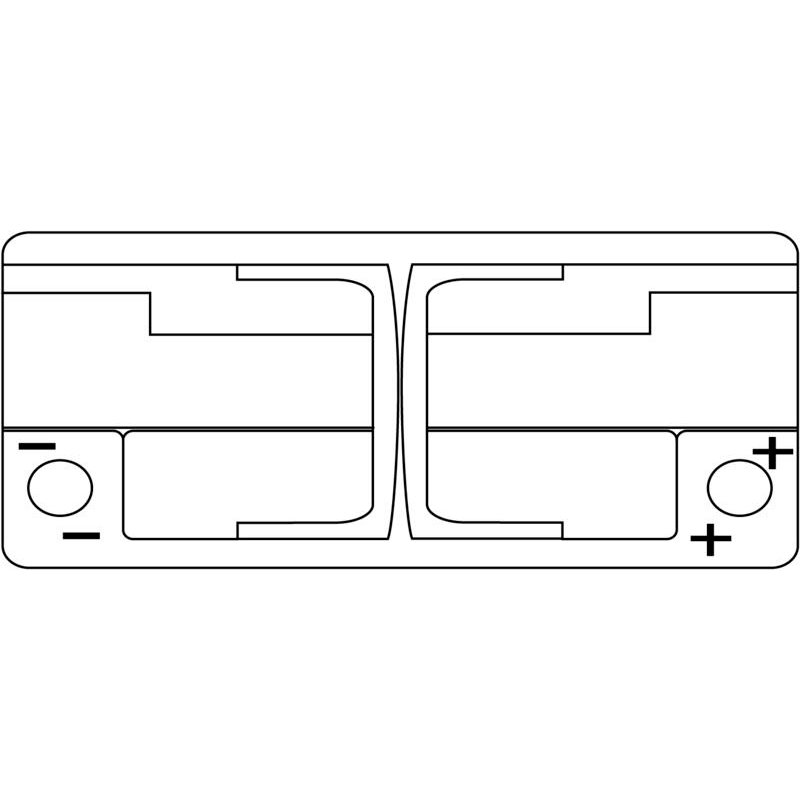
| Polarity | ETN 0 |
| Terminal type | EN tapered post |
| Hold-down type | B13 |
| Weight | Approximately 29kg |
Advantages of AGM Battery Technology
AGM batteries offer several advantages over conventional flooded lead-acid starting batteries, particularly in demanding electrical applications.
The absorbed electrolyte and low internal resistance allow efficient delivery of high starting currents, while the AGM construction offers improved cycling durability.
With its 106Ah capacity and 950A cold cranking current, this battery is particularly useful for compatible larger petrol and diesel engines with demanding starting requirements and electrical systems involving frequent engine starts.
However, an AGM starting battery should not be confused with a dedicated AGM deep-cycle domestic battery. Battery selection should always be based on the intended application.
Typical Applications
- Compatible petrol and diesel vehicles
- Modern automotive electrical systems
- Compatible Start-Stop vehicles requiring AGM technology
- Larger engines requiring high starting current
- Replacement AGM starting batteries
- Upgrading compatible conventional flooded starting battery installations
- Compatible marine engine starting installations, where permitted by the engine and vessel manufacturers
Battery Compatibility and Installation
Before purchasing a replacement battery, check the following:
- Required engine starting current
- Battery voltage and capacity
- Available installation space
- Positive and negative terminal positions
- Battery terminal type
- Battery securing arrangement
- Compatibility with AGM charging requirements
Both battery references use ETN 0 polarity and a B13 base hold-down arrangement. Check these specifications against the existing battery before ordering.
When upgrading from a conventional flooded lead-acid battery to AGM technology, ensure that the existing alternator, battery charger and any solar charging equipment are compatible with AGM charging requirements.
Due to its larger dimensions and approximate weight of 29kg, ensure that the battery tray, supporting structure and securing arrangements are suitable for the installation.
Install the battery securely in a suitable, adequately ventilated location, following the manufacturer’s installation instructions.
For marine installations, ensure the battery and its installation meet the applicable requirements for the vessel.
Care and Maintenance
To help maintain battery performance and service life:
- Use a battery charger suitable for AGM technology.
- Avoid repeated deep discharges.
- Recharge the battery promptly following significant discharge.
- Keep battery terminals clean and protected against corrosion.
- Check that battery connections remain secure.
- Avoid excessive charging voltages.
- Use a compatible smart maintenance charger during extended periods of inactivity.
- Follow the manufacturer’s charging and installation instructions.
Correct charging is particularly important for AGM batteries, as unsuitable charging voltages can reduce battery performance and service life.
For boats that remain unused for extended periods, particularly during the summer months in southern Spain and Portugal, maintaining an appropriate state of charge and avoiding excessive battery temperatures can help prevent premature deterioration.

Reviews
There are no reviews yet.